Yellow Rice Wine
Introduction
Yellow rice wine, also known as huangjiu, is a traditional fermented alcoholic beverage made from grains, predominantly glutinous rice, with the aid of yeast and other ingredients. It holds a significant place in Chinese culture, boasting a history that dates back thousands of years, and is celebrated for its rich, complex flavors and aromatic profile. Unlike distilled liquors, huangjiu is brewed, much like beer and sake, resulting in a milder alcohol content typically ranging from 10-20%.
Historical Significance
The history of Chinese rice wine is deeply intertwined with the country's cultural and culinary traditions. Archaeological evidence suggests that the process of fermenting rice for wine in China dates back more than 6,000 years. Over the centuries, it has been a staple in various Chinese rituals and celebrations, revered not only for its warming properties but also as a symbol of prosperity and happiness. It is often aged in earthenware vats and consumed on special occasions like weddings and festivals.
Production Process
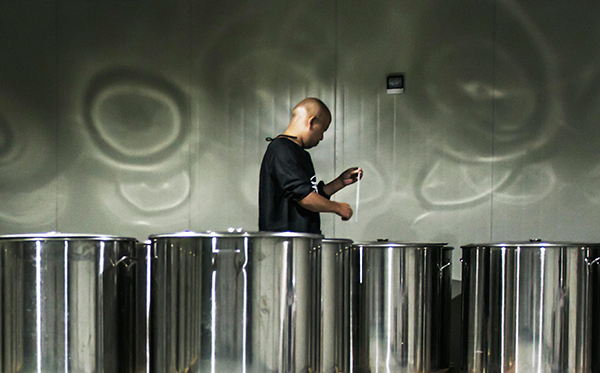
The production of yellow rice wine involves a meticulous fermentation process. Firstly, the rice is soaked, steamed, and then mixed with a starter culture of yeast and a type of mold known as qu. This mixture is allowed to ferment in large vats. The fermentation can take several months, during which the rice starches are converted into sugars and alcohol. The resulting liquid is then filtered, pasteurized, and aged to develop its flavors. Some varieties are aged for decades, acquiring a deeper color and richer taste.
Regional Varieties
There are numerous regional varieties of yellow rice wine across China, each with distinct characteristics influenced by local ingredients and brewing techniques. Shaoxing Huangjiu, perhaps the most renowned, is often considered the pinnacle of rice wine, celebrated for its amber hue and mellow taste. Other prominent varieties include those from Jiangsu and Fujian provinces, each offering subtle differences in flavor, aroma, and sweetness.
Culinary Uses
In Chinese cuisine, yellow rice wine is a versatile ingredient used both as a beverage and a cooking wine. It adds depth to many traditional dishes, especially in braises and marinades. The wine's natural sweetness and umami qualities enhance the flavors of meats and seafood, making it a popular choice for dishes like drunken chicken and various types of soups. It is also enjoyed warmed, often with meals, and pairs exceptionally well with the seasonal delicacy of hairy crabs.
Cultural and Economic Impact
Huangjiu has transcended its role as a mere beverage to become an integral part of Chinese cultural heritage. The techniques of crafting and appreciating yellow rice wine have been recognized as intangible cultural heritage, with dedicated events and expos celebrating this ancient craft. Economically, the production and sale of yellow rice wine, particularly from regions like Shaoxing, contribute significantly to local economies, with a growing emphasis on leveraging its cultural legacy to boost tourism and international recognition.








